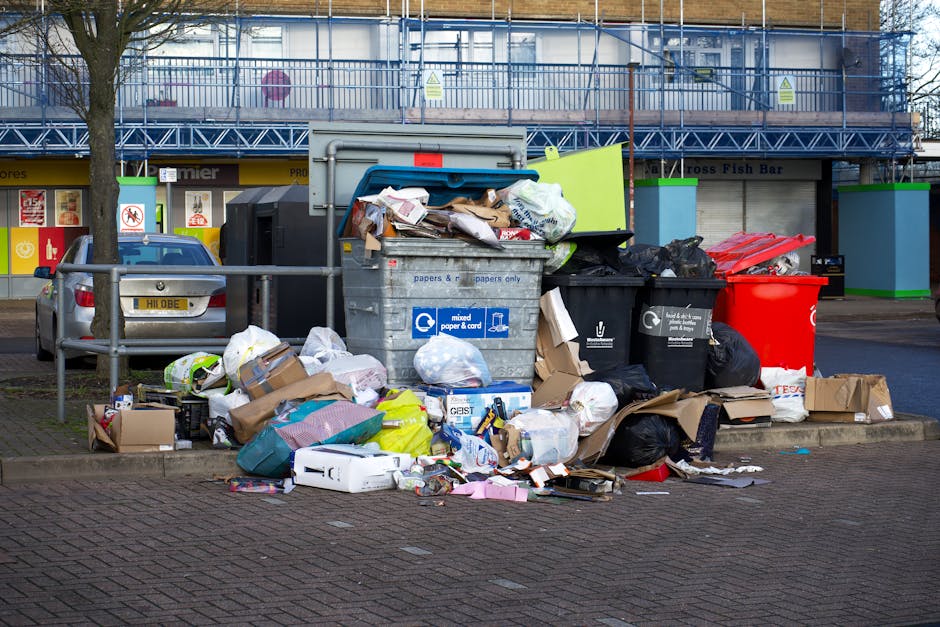
Common access problems for West Wickham rubbish crews
If you have ever watched a rubbish crew pause at a gate, peer down a narrow side passage, or shuffle bins back and forth because a van cannot get close enough, you already know the issue. Common access problems for West Wickham rubbish crews are often small on paper and surprisingly disruptive on the ground. A blocked driveway, a locked communal door, a steep path, or a parking restriction can turn a straightforward collection into a slow, awkward job.
That matters for two reasons. First, access issues can delay removals and increase handling time. Second, they can create safety problems for crews, residents, and nearby vehicles. In a place like West Wickham, where properties range from compact terraces to flats above shops and older homes with tight front gardens, these problems come up more often than people expect. The good news? Most of them can be managed with a bit of planning.
This guide breaks down the most common access barriers, why they matter, how crews usually work around them, and what you can do to make a collection smoother. It is practical, not fluffy. And yes, a little common sense goes a long way here.
- Quick answer: access problems usually come from parking limits, narrow routes, locked entry points, low branches, heavy items, or poor preparation.
- Best fix: give clear access details in advance, keep the route open, and match the job to the property layout.
- Why it helps: safer handling, faster collection, fewer surprises, and fewer delays for everyone involved.
Table of Contents
- Why Common access problems for West Wickham rubbish crews Matters
- How Common access problems for West Wickham rubbish crews Works
- Key Benefits and Practical Advantages
- Who This Is For and When It Makes Sense
- Step-by-Step Guidance
- Expert Tips for Better Results
- Common Mistakes to Avoid
- Tools, Resources and Recommendations
- Law, Compliance, Standards, or Best Practice
- Options, Methods, or Comparison Table
- Case Study or Real-World Example
- Practical Checklist
- Conclusion
- Frequently Asked Questions
Why Common access problems for West Wickham rubbish crews Matters
Access sounds like a small operational detail, but in waste removal it affects almost everything: time, labour, safety, cost, and whether a job can actually be completed in one visit. If a crew cannot park within a sensible distance, or cannot get a bulky item through a doorway, they may need to carry everything farther, split loads, or come back with a different vehicle. That is not just inconvenient. It changes the shape of the whole job.
In practical terms, poor access can lead to:
- longer loading times
- more lifting and carrying
- greater risk of knocks, trips, and strain
- blocked pavements or driveways
- missed collection windows
- extra charges if the work becomes more labour-intensive
West Wickham has a mix of housing types and road layouts, and that mix is where access issues start to multiply. A narrow cul-de-sac might be fine for a small van but awkward for larger clearances. A flat over a shop may have bins behind a shared gate that is never where people think it is. Even a seemingly simple house clearance can stall if a side path is cluttered with plant pots, bikes, or a locked shed door that nobody can find the key for. It happens.
From a customer point of view, the impact is just as real. You want the work done efficiently, without stress and without damage to property. From a crew point of view, the goal is to move waste safely and quickly. Good access makes both sides easier. Bad access makes the whole day feel heavier, literally and otherwise.
How Common access problems for West Wickham rubbish crews Works
The basic process is simple. A rubbish crew arrives, assesses access, moves waste to the vehicle, loads it, and clears the area. The catch is that "access" includes much more than the front door. Crews look at the route from the property to the vehicle and check whether the path is safe, wide enough, legal to use, and realistic for the type of waste being removed.
Here is what they usually assess in the real world:
- Vehicle access: Can the van park close enough without causing obstruction or risking a parking issue?
- Walking route: Is the route clear of bins, bikes, boxes, steps, wet leaves, loose gravel, or low-hanging branches?
- Entry points: Are gates, doors, communal halls, and side passages open and wide enough?
- Load size and weight: Can the item be safely lifted, carried, or split into smaller parts?
- Ground conditions: Is the surface level, dry enough, and stable underfoot?
- Shared access: Is the route communal, and does anyone else need to move cars or furniture?
If any one of those parts fails, the job can slow down quickly. For example, a crew might be able to remove a sofa from a terraced house in a minute and a half if the route is clear. But if they need to detour around a tight hallway, squeeze past a bike, wait for a resident to open a gate, and then carry the sofa 40 metres to the vehicle, the job changes completely. That is the kind of thing people underestimate.
There is also a difference between a temporary blockage and a structural access problem. Temporary issues are things like a delivery van parked across the drop-off point or a bin lorry blocking the road for ten minutes. Structural issues are low archways, permanent bollards, tight stairwells, or no parking anywhere nearby. Crews can often work around the first. The second usually needs planning before the visit.
Key Benefits and Practical Advantages
Sorting access properly is not just about making life easier for the crew. It gives you better results too. Truth be told, the fewer surprises on the day, the better the whole experience tends to be.
1. Faster collections
If a van can park near the property and the route is clear, the job simply moves faster. That can matter a lot if you are juggling a house move, a refurbishment, or a business clearance with a tight schedule.
2. Lower risk of damage
It is easier to avoid scuffed walls, chipped bannisters, and broken items when crews do not have to twist awkwardly through narrow access points. Anyone who has ever watched a mattress catch on a corner knows the feeling. Slightly annoying, slightly painful, and very avoidable.
3. Safer manual handling
Good access reduces lifting distance and awkward carrying angles. That helps protect the crew and also reduces the chance of dropped items or trips on steps, kerbs, and uneven paving.
4. Better cost control
When access is straightforward, pricing is usually more predictable. If the job becomes more labour-heavy because access is poor, costs can rise. Clear information upfront helps everyone understand what is needed before the van arrives.
5. Less stress on collection day
Let's face it, nobody enjoys the awkward moment when a crew arrives and the path turns out to be blocked by a wheelie bin, a locked gate, and a neighbour's car parked nose-to-tail with yours. Planning removes that tension.
Expert summary: the best access plan is usually the one that seems boring. Clear route, clear parking, clear entry point, clear communication. Boring is good here.
Who This Is For and When It Makes Sense
This topic is relevant to anyone arranging waste removal in West Wickham, but especially if the property has anything other than broad, easy access. In our experience, the people who benefit most from thinking ahead are often the ones who assume it will "probably be fine." That is where surprises tend to happen.
You will want to pay close attention if you are:
- a homeowner clearing bulky household items
- a landlord arranging a post-tenancy clear-out
- a tenant leaving a flat with shared access
- a business manager dealing with office, stockroom, or furniture removal
- a tradesperson clearing builders' waste after a job
- someone handling garage, loft, or garden clearance
It makes sense to think about access before booking if any of the following apply:
- the road outside is narrow or usually busy
- parking is controlled, restricted, or limited
- the waste is upstairs, in a loft, or behind a shared entrance
- there are steps, slopes, or uneven surfaces
- the item is large, awkward, or heavy
- the property sits in a block of flats or a mixed-use building
There is no need to overcomplicate it. If you can walk the route yourself and think, "Hmm, this might be tight," then it is worth mentioning. That small bit of honesty can save a lot of time later.
Step-by-Step Guidance
If you want a smoother collection, this is the simplest way to prepare. Nothing fancy, just the stuff that actually works.
Step 1: Walk the route from item to vehicle
Start where the waste is located and follow the full path to the road or loading point. Notice any low ceilings, tight turns, steep steps, locked gates, slippery spots, or objects that might snag. If you have to turn sideways to pass through, the crew probably will too.
Step 2: Clear the access route
Move bikes, planters, loose boxes, bin bags, and anything else sitting in the way. If you live in a shared building, check whether the hall or landing is being used by other residents that day. A clear route often makes the biggest difference of all.
Step 3: Check parking and stopping space
Think about where a vehicle can stop without blocking traffic or breaking local restrictions. If parking is awkward, let the provider know in advance. A job that needs a short walk from the van is very different from a job that needs a long carry through a shared courtyard.
Step 4: Measure the awkward bits
For bulky waste, measure door widths, stair landings, and any tight corners. A tape measure is not glamorous, but it is useful. If a sofa, appliance, or cabinet will not fit through a doorway at an angle, it is better to know before anyone is standing there sweating in the hallway.
Step 5: Flag hazards and restrictions early
Tell the crew about pets, coded gates, fragile flooring, low branches, uneven paving, or any item that may need dismantling. If there is hazardous waste involved, say so clearly. That category needs separate handling, and guessing is never a great strategy.
Step 6: Confirm who will be present
Crews often need someone available to open gates, answer access questions, or confirm which items are going. If nobody is home and the route depends on a key or code, the job can stall. A simple confirmation message on the morning of collection can help avoid all that.
Step 7: Keep the final path clear until collection is complete
It sounds obvious, but it helps to leave the route open until the crew has finished. That means no fresh deliveries parked over the drive, no last-minute pile-up of boxes, and no "just put that in the way for now." Those little temporary blocks have a habit of becoming permanent problems.
Expert Tips for Better Results
Small adjustments can make a surprisingly large difference. The best crews notice access problems quickly, but the best customers usually prevent them before anyone lifts a thing. That is where the smoother jobs come from.
Be specific, not vague
"Access is fine" is not very helpful if the route includes a locked gate, three steps, and a bend too tight for a fridge. Say what the crew will actually meet. Use plain language. If the route is awkward, say so.
Think in terms of carrying distance
People often focus on the front door and forget the distance from the vehicle. A job with a long carry is not impossible, but it changes the time and effort involved. Even twenty extra metres can matter when there are several bulky items.
Prepare the item, not just the path
Sometimes the problem is the item itself. A large wardrobe, bed frame, or sofa may need dismantling before it can leave the room. If you can remove loose parts or doors safely in advance, you may save a lot of hassle.
Use daylight where possible
Early daylight makes steps, kerbs, and tight corners easier to see. In the winter, when it gets gloomy early and the streetlights come on before you have properly found your gloves, visibility matters more than people admit.
Keep neighbours in mind
If access is shared, a polite heads-up can prevent annoyance. Nobody likes a blocked passage at the end of the day. A quick message is usually enough.
Match the job to the property
In practice, some properties suit smaller vehicles or lighter loads better than a full clearance approach. If you are clearing a flat or a narrow terrace, the right setup matters. This is where services like flat clearance or house clearance can be a better fit than trying to force a one-size-fits-all plan.
Little rule of thumb: if you are thinking, "We can probably squeeze it through," stop and measure first. Probably is not a plan.
Common Mistakes to Avoid
A lot of access issues are avoidable. The tricky part is that they often feel minor until collection day arrives. Here are the mistakes that cause the most grief.
- Not mentioning parking limits: crews turn up expecting to park nearby, only to find double yellows, permit zones, or no stopping space at all.
- Leaving the route cluttered: bikes, bins, plant pots, and stacked bags can make a path much slower and less safe.
- Assuming bulky items will fit: sofas, wardrobes, and appliances can be awkward in older properties with tight turns.
- Forgetting shared access rules: flats and communal buildings often need keys, codes, or permission to use common areas.
- Not flagging heavy or hazardous waste: these need the right handling and, in some cases, separate arrangements.
- Booking without checking the real route: a front-facing photo can look easy while the actual access is through a narrow rear passage.
One of the sneakiest mistakes is underestimating how long it takes to move awkward items safely. A single bulky item can dominate the whole visit if the route is tight. It is not dramatic. It is just how the physics of carrying things works, annoyingly enough.
Tools, Resources and Recommendations
You do not need specialist kit for every job, but a few basic tools and habits can make access issues far easier to manage.
Useful tools
- Tape measure: essential for doors, stairwells, and awkward furniture.
- Phone photos: a quick image of the route or item helps explain the access conditions.
- Flashlight: useful for dim hallways, lofts, sheds, and back passages.
- Protective gloves: sensible for moving lighter obstacles before collection.
- Trolley or sack truck: helpful in some settings, though not always suitable for stairs or delicate surfaces.
Useful documents or information to have ready
- parking restrictions or permit details, if relevant
- gate codes or key collection instructions
- list of items to be removed
- notes on heavy, fragile, or hazardous items
- building access instructions for flats or shared properties
Practical service links
If you are looking at a bigger clear-out, it can help to read around the type of waste involved. For example, waste removal covers broader collection needs, while furniture clearance is useful when bulky items are the main challenge. For heavier domestic clear-outs, garage clearance and loft clearance are also worth considering because access tends to be part of the job, not an afterthought.
If your project involves waste mixed with renovation debris, builders waste clearance can be more appropriate. And for business settings, business waste removal or office clearance may better match the site layout and collection needs.
Law, Compliance, Standards, or Best Practice
Access problems are not just an operational nuisance. They can overlap with safety, property management, and legal responsibilities. That does not mean every collection becomes a compliance headache. It does mean good practice matters.
At a practical level, crews should avoid unsafe lifting, blocked walkways, and access routes that create risk to people or property. If a route is too narrow, too steep, or too cluttered, the safe answer may be to adjust the method, split the load, or refuse the job until access is improved. That is not being difficult. It is basic care.
For customers, the best practice is straightforward:
- give accurate access information before booking
- do not conceal hazardous or unusually heavy waste
- keep shared areas clear where possible
- follow building rules for communal access
- make sure anyone giving instructions is authorised to do so
If you are dealing with items that may count as hazardous waste, the standard approach is to mention them clearly and arrange the correct handling. The same goes for electricals, appliances, or confidential material. A bit of honesty upfront is worth far more than sorting out a problem on the doorstep.
For household or business clearances, it is also sensible to think about insurance and property protection. Door frames, floors, and stair rails can be damaged if a large item is forced through a tight route. Any reputable crew will want to avoid that as much as you do. The aim is safe access, not heroic squeezing.
Options, Methods, or Comparison Table
Different access situations call for different approaches. Here is a simple comparison to help you judge what makes sense.
| Access situation | Typical challenge | Best approach | Notes |
|---|---|---|---|
| Easy front-drive access | Usually minor | Standard collection | Fastest and simplest option |
| Street parking only | Longer carry distance | Plan loading point carefully | May need more labour time |
| Shared hallway or communal entry | Keys, codes, and other residents | Confirm access in advance | Useful for flat clearance and office buildings |
| Narrow passage or tight stairs | Items may not fit | Measure and consider dismantling | Often the deciding factor for furniture removal |
| Garden or rear-access only | Uneven ground, side gates, weather | Clear path and check ground conditions | Especially relevant after rain |
| Restricted building access | Limited time windows or permits | Book carefully and share rules | Common in managed properties |
The table is simple, but that is the point. Most access decisions are not mysterious. They just need a quick reality check before the work begins.
Case Study or Real-World Example
Picture a typical West Wickham clear-out: a two-bedroom flat with a sofa, a small wardrobe, assorted bags, and a broken desk to remove. On paper, that sounds routine. Then you arrive and realise the only route is a shared stairwell, the parking space outside is occupied, and the sofa will not turn the corner without removing its feet.
What happens next? A good crew does three things. First, they assess whether the item can be safely dismantled. Second, they confirm the best loading point rather than forcing a long carry through the building. Third, they work methodically, protecting surfaces and avoiding damage to the stairwell.
In a case like that, the job is still perfectly manageable, but it becomes a planning job rather than a quick lift-and-go. The customer's role is equally important. If they had mentioned the tight stairs, the shared access, and the parking issue beforehand, the job could have been prepared properly from the start. Simple. Not always easy, but simple.
We have seen smaller examples too. A garden clearance delayed because a side gate was jammed by a broken latch. A garage clearance slowed because the path was hidden behind stacked recycling bins. An office clearance stretched out because the lift was out of service and nobody had mentioned it. None of these are dramatic disasters. They are just the kind of things that make a crew mutter, "Right then, plan B."
Practical Checklist
Use this before the crew arrives. It is short on purpose.
- Have I told the provider about parking restrictions?
- Is the route from waste to vehicle fully clear?
- Are gates, keys, codes, or entry instructions ready?
- Have I measured the item against doorways and tight corners?
- Are there steps, slopes, or uneven surfaces to mention?
- Have I flagged anything heavy, fragile, or hazardous?
- Will someone be available to answer access questions?
- Are shared areas kept clear for the collection window?
- Do I need dismantling or separating of any items first?
- Have I checked whether the job suits the property layout?
Practical takeaway: if you can answer yes to most of those, you are already ahead of the game.
Conclusion
Common access problems for West Wickham rubbish crews are usually not dramatic. They are ordinary, everyday barriers: a tight gate, a parked car, a narrow hallway, a long carry, a locked communal entrance. But ordinary problems can still derail a collection if they are not planned for. The more clearly you think through access before booking, the smoother the work tends to be.
The best outcomes come from simple habits: walk the route, measure awkward gaps, flag parking and entry details, and keep the collection area clear. That saves time, lowers risk, and makes the whole process feel much calmer. And honestly, calm is underrated.
If you are preparing a clearance in West Wickham, start with the access question first. It is often the difference between a quick, tidy job and a frustrating one. Get that part right, and the rest usually falls into place a lot more easily.
Get a free quote today and see how much you can save.
Frequently Asked Questions
What are the most common access problems for rubbish crews in West Wickham?
The most common issues are restricted parking, narrow paths, locked gates, shared entrances, tight stairwells, and awkward carrying distances. Bulky items and poor preparation make these problems worse.
Why does access affect rubbish removal cost?
Access affects the time, labour, and equipment needed for the job. If crews need to carry items farther or work around restrictions, the job can take longer and may need more effort.
Should I measure my furniture before booking collection?
Yes, especially for sofas, wardrobes, beds, and appliances. Measuring doorways, hallways, and stair turns helps prevent last-minute surprises and avoids items getting stuck.
What if my property has no nearby parking?
Tell the provider in advance. Crews can often still complete the job, but they need to know about the longer carry distance and any parking restrictions before arriving.
Can rubbish crews remove items through communal hallways?
Often yes, but it depends on building rules, space, and whether the route is safe. Shared access should be kept clear and any codes or keys arranged ahead of time.
How do I make a bulky waste collection easier?
Clear the route, measure awkward openings, dismantle items if possible, and share photos or notes about the access. The more precise the information, the smoother the job usually is.
What happens if access is worse than expected on the day?
The crew may adjust the method, split the load, ask for a clearer route, or in some cases reschedule if safe access is not possible. Good communication usually helps solve it quickly.
Do garden and loft clearances have special access issues?
Yes. Garden clearances often involve gates, uneven ground, or long carries, while loft clearances may involve ladders, hatch sizes, and tight stair access. Both need a quick check before collection.
Is it worth mentioning a broken lift in a block of flats?
Definitely. A broken lift can completely change the workload, especially for bulky items or multiple bags. Mentioning it early helps the crew plan properly.
Can access problems cause delays even for a small job?
They can. A single large item, a locked gate, or a parked car in the wrong place can delay a small job more than people expect. Small job, small problem? Not always.
What should I tell the crew before they arrive?
Tell them about parking, gates, codes, steps, shared access, heavy items, and anything hazardous. If something looks awkward to you, it is worth mentioning.
Which service is best if the access route is tight?
That depends on the items and the property type. For flats, flat clearance may fit better. For furniture-heavy jobs, furniture clearance may be more appropriate. For larger home clear-outs, house clearance or waste removal can be the right starting point.
How far in advance should I check access?
Ideally before you book, and then again shortly before the collection if anything may have changed. A quick final check on the day can save a lot of hassle.
What if the waste includes hazardous items?
Tell the provider clearly and do not leave the item mixed in with general rubbish without warning. Hazardous waste needs careful handling and should never be treated like normal household clutter.