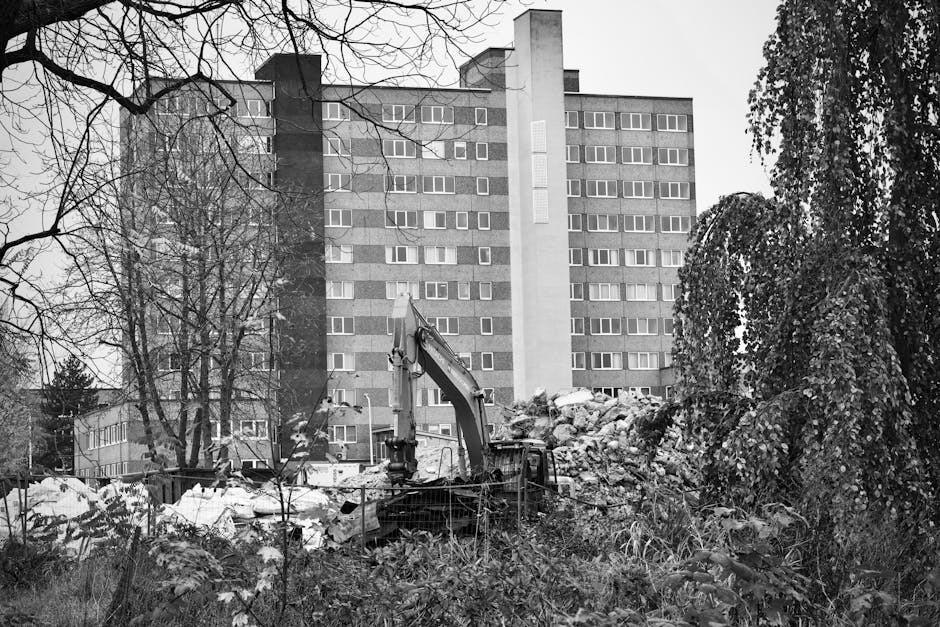
Bulky rubbish clearance on Wickham Court estate in West Wickham: a practical local guide
If you live, work, or manage property on Wickham Court estate, bulky rubbish can build up fast. A sofa that will not fit through the hallway, a broken wardrobe, an old mattress, bits from a recent clear-out, or the awkward leftovers from decorating all create the same problem: they take space, they are hard to move safely, and they are not the kind of thing you want sitting outside any longer than necessary.
This guide to bulky rubbish clearance on Wickham Court estate in West Wickham explains how the process works, what to check before booking, which items are commonly removed, and how to avoid the usual headaches. It is written for real-life situations, not ideal ones. Because let's face it, bulky waste is rarely neat.
You will also find practical advice on compliance, common mistakes, and a simple checklist you can use before collection day. If you are comparing services, it may help to look at related pages such as waste removal, furniture disposal, and mattress and sofa disposal for broader context.
Why Bulky rubbish clearance on Wickham Court estate in West Wickham Matters
Bulky waste is not just "stuff in the way". On an estate setting, it can affect shared access, footpaths, fire safety, and the general feel of the place. One abandoned armchair by a bin store can make the whole area look untidy. A pile of broken furniture in a communal corridor is more than untidy; it can become a real nuisance very quickly.
On Wickham Court estate, there is also the everyday reality of limited space. Flats, maisonettes, communal entrances, and shared parking all mean there is less room for temporary storage while you decide what to do with unwanted items. That is why a structured bulky rubbish clearance service is so useful. It turns a stressful, awkward task into something orderly and manageable.
There is another angle too. In England, the person throwing away waste is still responsible for making sure it is handled properly. That means you should be thinking not only about convenience, but also about who removes the items, where they go, and whether anything reusable can be diverted away from disposal. If you are trying to be a bit more deliberate about that, the page on recycling and sustainability is a sensible place to start.
Expert summary: bulky rubbish clearance works best when it is planned, sorted, and matched to the layout of the property. On an estate, that usually matters more than people expect.
How Bulky rubbish clearance on Wickham Court estate in West Wickham Works
The process is straightforward in principle, but the details matter. Usually, it begins with identifying what needs removing and whether any item needs special handling. Sofas, wardrobes, beds, white goods, shelving, old carpets, and dismantled flat-pack furniture often fall into this category. Some items are heavy but simple to move; others are bulky in shape rather than weight, which can make the stairs, corners, and doorframes the real challenge.
For estate properties, access is often the deciding factor. Can a team park close enough? Is there a lift? Are there multiple floors? Are there shared hallways that need to be kept clear? A good clearance plan takes those details seriously. That is especially true if the collection involves mixed loads from a home clear-out or post-renovation tidy-up. If there is building debris involved as well, builders waste clearance may be more appropriate for part of the job.
Once the items are assessed, the team can lift, load, and transport them for disposal or reuse where suitable. In many cases, the most efficient approach is to group similar items together before the crew arrives. It sounds basic, but it saves time and reduces the chance of items being missed. One small pile in the hallway can turn into three separate trips if nobody has had a quick sort-through first. Annoying, but true.
Where appliances are included, there may be extra checks. Fridges, freezers, and washing machines often need different handling from standard furniture, so it is worth separating them early and checking whether a dedicated fridge and appliance removal service is the right fit. If it is a sofa or mattress, you may also want to view mattress and sofa disposal for more targeted handling.
Key Benefits and Practical Advantages
The most obvious benefit is space. Once the bulky items go, rooms feel larger, clearer, and easier to use. That sounds obvious, yet people are often surprised by how much mental relief comes with it. A cluttered landing or spare room can quietly weigh on you for weeks.
There are several practical advantages too:
- Safer movement around the property - fewer trip hazards in hallways, porches, and shared spaces.
- Less lifting strain - bulky items are awkward, and awkward is where people get hurt.
- Faster turnaround - useful if you are preparing for visitors, a move, a tenancy change, or decorators.
- Cleaner communal areas - important on an estate where shared impressions matter.
- Better sorting for reuse and recycling - with the right approach, not everything needs to be treated as pure waste.
There is also a financial angle, though it is best treated carefully. Clearing bulky rubbish properly can prevent damage to walls, floors, and bannisters. One scrape on a stair edge or one cracked door frame can cost more than the clearance itself. That is the sort of thing people only remember after the fact, usually while staring at a mark on the paintwork.
If you need to compare costs, the page on pricing and quotes is useful for understanding how services are typically discussed. And if you are weighing up the wider service offer, furniture clearance and house clearance are closely related options.
Who This Is For and When It Makes Sense
This kind of clearance is useful for a wide range of people on or near Wickham Court estate. You might need it after moving out of a flat, when downsizing, during a property refresh, or after a long-overdue clear-out of a garage, loft, or store cupboard. It also makes sense for landlords and managing agents who need communal or vacated spaces cleared quickly and without disruption.
Typical scenarios include:
- tenants leaving behind unwanted furniture
- families replacing old sofas, beds, or wardrobes
- residents emptying a storage room or spare bedroom
- small businesses or home workers clearing office equipment
- property owners dealing with mixed waste after maintenance or decorating
If your situation is more of a full-home reset than just a few large items, home clearance or flat clearance may better match what you need. For more specific spaces, garage clearance and loft clearance can be the better route.
Truth be told, the service makes most sense when the items are too awkward for a normal car, too heavy for one person, or too many to deal with properly in a single household trip. If you are already thinking, "I could maybe do this at the weekend," that is often the moment when the job is bigger than it looks.
Step-by-Step Guidance
Here is a simple, practical way to approach bulky rubbish clearance on the estate without making a mess of it.
- Identify the items clearly. Write down what needs to go, including size, approximate weight, and whether anything is fragile or sharp.
- Separate reusable items from true waste. A sturdy chair or table may still have life left in it, while damaged items should be treated differently.
- Check access routes. Measure doorways if needed, note stairs, lifts, and any low ceilings or tight bends.
- Group items in one safe place. Do not block emergency exits or communal walkways.
- Remove personal belongings. Drawers, cushions, paperwork, cables, batteries, and loose fittings often get forgotten.
- Flag special items early. Appliances, hazardous materials, confidential paperwork, and damaged glass should be dealt with separately.
- Confirm the collection plan. Make sure the provider understands the access conditions and the scope of the job.
- Stay available on the day. A quick point of contact can solve small access issues before they become annoying delays.
If the job includes paperwork or business records, confidential handling may be needed. In that case, confidential shredding is the more suitable related service, rather than simply tossing documents in with general waste.
Expert Tips for Better Results
Here are the things that tend to make a real difference, based on how these jobs usually go in practice.
- Measure first, lift second. A quick width check at the narrowest point saves people from carrying a wardrobe halfway down a staircase before discovering it will not turn.
- Break down what can be dismantled. Flat-pack furniture, bed frames, and shelving are often easier to remove in parts.
- Keep mixed waste separate. Put furniture, garden waste, and construction debris into distinct groups if possible. It makes the job tidier and more efficient.
- Use the right service for the job. A large mixed clear-out is different from a single sofa removal. Matching the service to the waste usually gives a cleaner result.
- Protect shared areas. If there is a communal entrance or stairwell, lay down protection or at least plan the route carefully.
One small but important tip: label anything you definitely want to keep. People mean well during a clear-out, then somebody points at an item and says, "That can go too, right?" and suddenly the wrong lamp is on the pavement. Not ideal.
For items like old fridges, freezers, and washing machines, read the guidance on fridge and appliance removal before you mix them in with general bulky waste. And if your job includes more domestic clutter than just one or two items, house clearance can give a better overall framework.
Common Mistakes to Avoid
A lot of bulky waste jobs go wrong for fairly predictable reasons. None of them are dramatic on their own, but together they create delay and frustration.
- Leaving the sort-out until collection day. That is usually how important items get mixed up with rubbish.
- Ignoring access issues. Shared corridors, parking restrictions, and narrow stairways are not minor details; they are the job.
- Assuming everything is normal waste. Some items need specialist handling, especially appliances or anything hazardous.
- Forgetting about estate rules. On shared sites, you may need to avoid placing waste in communal areas for longer than necessary.
- Choosing price alone. Cheapest is not always best if the provider is not clear about what is included.
A quieter mistake is simply underestimating the task. One sofa, one mattress, and a dismantled wardrobe can fill a lot more space than you think once they are in a hallway. It looks manageable until you start moving it. Then reality taps you on the shoulder.
Tools, Resources and Recommendations
You do not need a warehouse full of kit for a good bulky clearance, but a few simple tools and habits help enormously.
| Item or resource | Why it helps | Best use |
|---|---|---|
| Measuring tape | Confirms whether large furniture will fit through doors or stair turns | Before dismantling or moving anything |
| Labels or tape | Separates keep, donate, recycle, and remove piles | During the initial sort |
| Heavy-duty gloves | Helps protect hands from splinters, sharp edges, and grime | When handling awkward items |
| Furniture tools | Useful for removing bed slats, screws, and fittings | For dismantling items safely |
| Provider guidance pages | Clarify what belongs in each service and what needs separate handling | Before booking or combining several item types |
For broader service planning, the pages on what can go in a skip and garage clearance can help you think through what belongs together and what does not. Even if you are not booking a skip, the sorting logic is still useful.
If you are looking for a company profile before booking, the about us page can help build confidence, while the insurance and safety page is worth checking whenever heavy lifting or communal access is involved.
Law, Compliance, Standards, or Best Practice
For bulky rubbish clearance, the main compliance principle is simple: waste must be handled responsibly, and the person producing it should take care to use a legitimate carrier or service. In UK practice, it is wise to avoid leaving bulky waste in communal areas, blocking access routes, or assuming someone else will deal with it later. That "later" has a way of becoming everyone's problem.
On an estate, best practice usually means:
- keeping communal walkways clear
- avoiding nuisance to neighbours
- separating reusable items where possible
- ensuring hazardous items are not mixed into general waste
- using a provider with clear procedures and proper insurance
If there is any doubt about hazardous items, treat them cautiously and do not guess. Paint tins, chemicals, and certain batteries can need separate disposal methods. The page on hazardous waste disposal is relevant here, because this is one of those areas where "I think it'll be fine" is not a good plan.
For businesses or landlords, record-keeping and internal policy also matter. A clearer process supports consistent waste handling and avoids the awkward question of where something came from after it has been moved. If that sounds familiar, business waste removal and health and safety policy may be useful reference points.
Options, Methods, or Comparison Table
There is more than one way to clear bulky waste on a residential estate. The right choice depends on volume, access, urgency, and the type of items involved.
| Method | Best for | Strengths | Limitations |
|---|---|---|---|
| Single-item pickup | One sofa, mattress, appliance, or similar item | Simple, quick, minimal planning | Less efficient if you have several bulky items |
| Bulky rubbish clearance | Multiple large items or mixed household clutter | Flexible, convenient, better for estate access issues | Needs clearer sorting before the job starts |
| Full property clearance | Flat, house, loft, garage, or office emptied in one go | Good for larger clear-outs and time-sensitive moves | May be more than you need for small jobs |
| Skip-based approach | Longer projects with steady waste output | Useful for ongoing work, especially renovation waste | Less ideal where access, parking, or permit issues exist |
In a Wickham Court estate setting, bulky clearance often wins on practicality because it handles awkward items without requiring you to keep a container on site. That can be a big plus where shared space is tight or access is limited. If you are comparing with skip use, the page on what can go in a skip helps you decide whether a mixed load is even appropriate for that route.
Case Study or Real-World Example
Here is a very typical example. A resident on the estate had a spare room filled with three old chairs, a small bookcase, a bed frame, and a mattress that had been waiting to be dealt with for months. Nothing dramatic. Just one of those rooms that slowly becomes a storage zone because life gets busy.
The first step was a quick sort. A few items were kept, one box of personal papers was moved aside, and the rest was grouped by type. The bed frame was dismantled in advance, which made the whole job much easier. The resident also checked the route to the lift and made sure the hallway was clear, which sounds minor but absolutely helped.
On the day, the collection was much smoother because the access route had already been thought through. The bulky items were loaded without disturbing neighbours, and the room was usable again almost immediately. That is the real value here: not just removing rubbish, but getting a room, hallway, or storage space back into circulation.
To be fair, it was not a glamorous transformation. No dramatic before-and-after reel. Just a calm, practical result. And sometimes that is exactly what people need.
Practical Checklist
Use this checklist before booking bulky rubbish clearance on Wickham Court estate in West Wickham:
- List every item you want removed
- Separate items you want to keep or donate
- Check whether anything is hazardous, electrical, or confidential
- Measure bulky items and likely access points
- Clear the route from the item to the exit
- Make sure communal areas will stay unobstructed
- Group items by type if possible
- Confirm whether appliances or mattresses need special handling
- Check pricing and what is included
- Keep your phone handy on collection day
If your clear-out is broader than just a few large items, consider whether a more complete service such as office clearance or garage clearance would save you time overall. Sometimes the "small" job is actually several jobs glued together.
Conclusion
Bulky rubbish clearance on Wickham Court estate in West Wickham is really about making awkward waste manageable. Done well, it protects shared spaces, saves time, reduces stress, and leaves you with a cleaner, safer property. Done badly, it turns into delays, clutter, and unnecessary lifting. The difference is usually in the planning.
Start by identifying the items, separating anything special, and thinking about access before the collection day arrives. That one bit of preparation does more than people expect. It keeps the process smooth and avoids the classic last-minute scramble. And honestly, everyone feels better when the hallway is clear and the job is finished.
Get a free quote today and see how much you can save.
If you want a service overview before taking the next step, the pages on furniture clearance, waste removal, and pricing and quotes are good places to continue. Small progress counts. One cleared room can change the feel of an entire home.
Frequently Asked Questions
What counts as bulky rubbish on Wickham Court estate?
Bulky rubbish usually means large or awkward items that are hard to move in a normal household bin bag. That commonly includes sofas, chairs, wardrobes, beds, mattresses, tables, appliances, and broken flat-pack furniture.
Can I leave bulky items in a communal area before collection?
Usually you should avoid leaving items in shared hallways, entrances, or fire routes for any longer than necessary. On an estate, it is better to keep everything in a safe, agreed place until collection day.
Do I need to dismantle furniture before collection?
Not always, but dismantling beds, shelving, or flat-pack furniture can make clearance easier and quicker. If something will not fit through a doorway or around a stair turn, breaking it down is often the sensible move.
What happens to the items after they are collected?
That depends on the condition and type of waste. Some items may be suitable for reuse, some for recycling, and some for disposal. Responsible handling is the key point, especially where mixed loads are involved.
Is bulky rubbish clearance better than hiring a skip on the estate?
It depends. Bulky clearance is often better for large furniture and awkward items, especially where parking or access is limited. A skip may work well for ongoing renovation waste, but it is not always the most practical choice on a residential estate.
Can you remove mattresses and sofas separately?
Yes, and in many cases they are best handled as dedicated items. Sofas and mattresses are bulky, awkward, and often better treated through a specific disposal route rather than mixed with all other waste.
What should I do with fridges or freezers?
Fridges and freezers usually need different handling from standard furniture because of their size and components. It is best to treat them separately and check whether appliance-specific removal is appropriate.
How do I prepare for a bulky waste collection?
Sort items in advance, clear access routes, remove personal belongings, and separate anything that needs special handling. A little prep goes a long way, and it makes the day much calmer.
What if my items are mixed with garden or builder's waste?
Mixed waste can often be handled, but it is useful to separate it where possible. Garden waste and construction waste can have different handling needs, so it is worth checking the right route for each part of the load.
Is there a right time to book bulky rubbish clearance?
Yes, ideally before the clutter becomes a problem. Booking before a move, tenancy change, renovation, or family visit gives you more flexibility. Morning collections can also be easier on busy estates because shared access is usually calmer earlier in the day.
Do landlords and managing agents use bulky rubbish clearance too?
Very often, yes. It is useful after tenant move-outs, for clearing abandoned furniture, or when communal spaces need restoring quickly. For larger or repeated needs, broader services like business waste removal or full property clearance may be more suitable.
How do I know if an item is hazardous?
If an item contains chemicals, unknown liquids, batteries, or other potentially risky materials, treat it cautiously and do not mix it into general waste. If in doubt, keep it separate and ask for guidance before collection.